The Heavy Reality of Framing a Deck for an Outdoor Kitchen Install
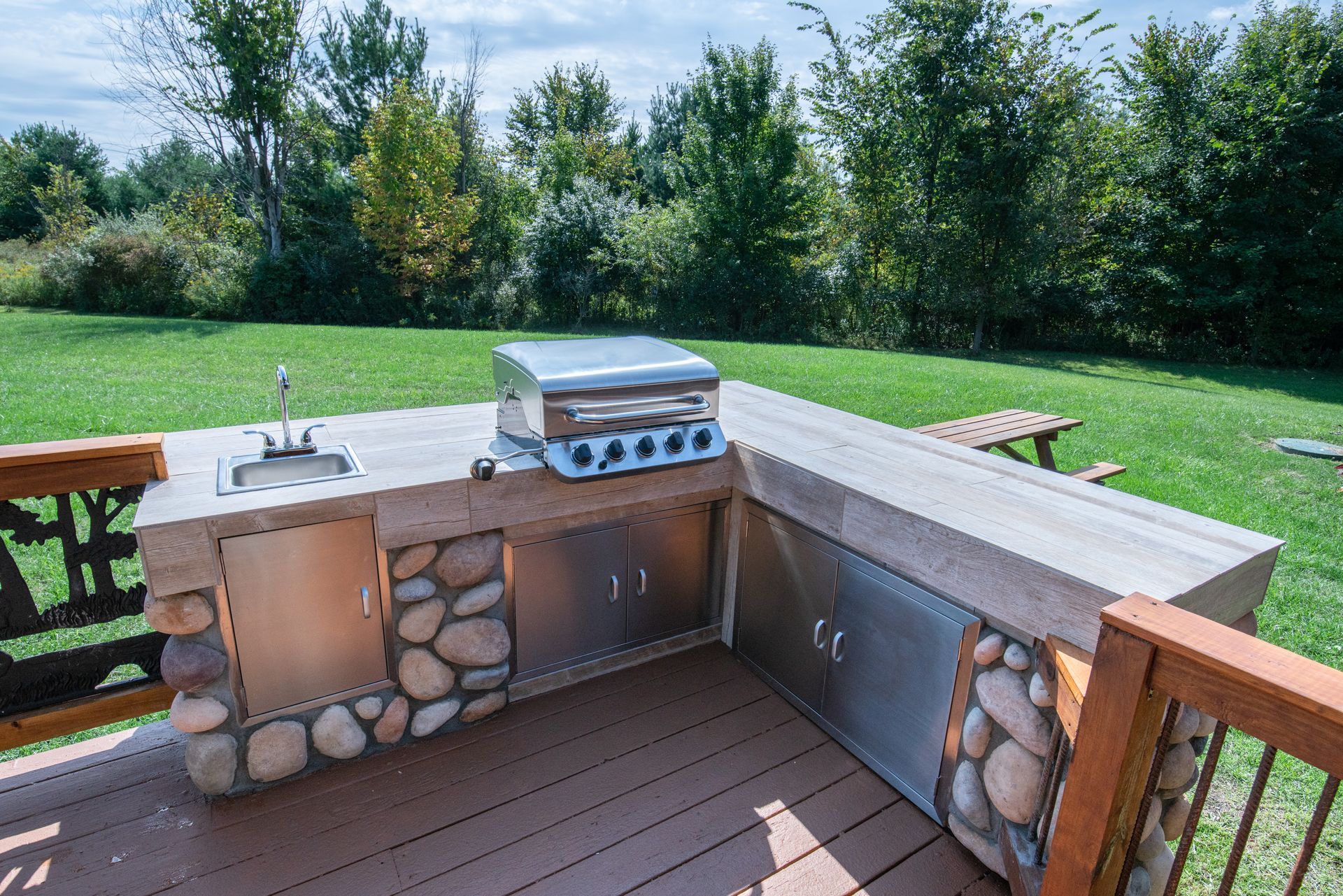
Watching an expensive stone grill sink into a sagging wooden floor is a nightmare for any homeowner. The idea of a backyard kitchen is incredibly popular but many people falsely assume their current structure can hold thousands of pounds of masonry. Paramount Patios Plus steps in to correct these failing platforms and rebuild them to safely support heavy outdoor cooking stations. Building a safe entertaining zone requires facing the heavy blue collar reality of weight distribution and wood framing.
A standard deck is simply not engineered to hold cast iron burners and solid granite countertops. Pressure Treated Decks require massive reinforcements underneath the floorboards to stop the structure from bowing and eventually snapping. Taking an honest look at the mechanical requirements of an outdoor kitchen prevents you from making a dangerous and costly mistake. Here is the reality of what it actually takes to build a cooking space that lasts.
Inside This Reality Check:
- Standard Framing Is Not Rated for Masonry
- Managing Moisture and Splattered Grease
- The Real Timeline for Utility Routing
- Frequently Asked Questions
Standard Framing Is Not Rated for Masonry
The biggest overestimation homeowners make is believing that a deck built for patio furniture can support a stone kitchen island. Standard joists are spaced sixteen inches apart and are meant to hold dynamic loads like people walking around. When you drop a permanent heavy load directly onto standard framing the wood immediately begins to flex and warp under the pressure. Professional builders must tighten the joist spacing to twelve inches or less directly beneath the appliance footprint to spread the weight safely.
→ From a professional standpoint: If a contractor offers to build a stone kitchen on your deck without reinforcing the substructure they are setting you up for a total collapse.
Managing Moisture and Splattered Grease
Outdoor kitchens generate a tremendous amount of messy runoff that can destroy your wood investments. Hot grease spitting from a grill will instantly stain standard timber and create a fire hazard if it pools near the burners. Proper installations require custom metal drip pans and heat shields to protect the underlying joists from extreme temperatures and corrosive cooking oils. Failing to plan for proper drainage means your expensive flooring will look terrible after a single season of heavy grilling.
→ A quick tip to remember: You must place heavy duty grill mats under any cooking station built over natural wood to prevent permanent oil staining.
The Real Timeline for Utility Routing
Running plumbing and natural gas lines outdoors adds a significant amount of time to the construction schedule. You cannot simply use flexible hoses meant for portable grills when hooking up a permanent backyard bar. Hard piped gas lines must be routed securely through the joist bays by licensed professionals before the surface boards are nailed down. This requires opening the frame and coordinating municipal inspections which heavily impacts how quickly your project reaches completion.
Frequently Asked Questions
How much extra joist support does an outdoor kitchen need?
The exact support depends on the final weight of your stone and appliances. In most cases we double or triple the structural beams directly beneath the cooking zone. We also frequently pour additional concrete footings deep below the frost line to carry the load directly into the earth rather than relying solely on the house ledger board.
Will a heavy grill cause my deck to sag?
Yes a commercial grade grill paired with a masonry surround will absolutely cause standard joists to sag over time. Wood naturally compresses under sustained heavy loads. By adding specialized blocking between the joists we prevent the boards from twisting and ensure the cooking surface remains perfectly level for years.
Can pressure treated wood handle grease spills?
While treated wood resists rot and insect damage it is still highly porous and will absorb hot cooking grease. Once oil penetrates the grain of the wood it is nearly impossible to scrub out and it prevents future stains or sealers from adhering properly. Using protective catching pans and sealing the wood regularly creates a barrier that gives you time to wipe up spills before they soak in.
Starting Your Kitchen Project Right
You deserve a backyard cooking area that looks incredible and stands firm against the heavy demands of hosting. Facing the structural realities upfront ensures your investment remains safe and functional for the life of your home. Reach out to our design team today to inspect your current frame and discuss the upgrades needed for your new outdoor kitchen.
Share This Blog