Cedar vs. Aluminum Pergolas: Which Stands Up Best to Tulsa’s Harsh Winters?
Preparing your backyard for freezing temperatures means choosing overhead structures that handle heavy precipitation without failing. Wooden and metal canopies react very differently to extreme temperature drops and accumulated snow loads. Paramount Patios Plus helps homeowners navigate the physical realities of building lasting outdoor shelters in Tulsa. Selecting the right framing material prevents warped beams and structural sagging after a single rough winter.
What to review before building:
- The structural weight of heavy timber: Managing snow loads
- Thermal expansion: How metal reacts to cold
- Motorized louvers: Handling winter precipitation
- Frequently Asked Questions
The Structural Weight Of Heavy Timber
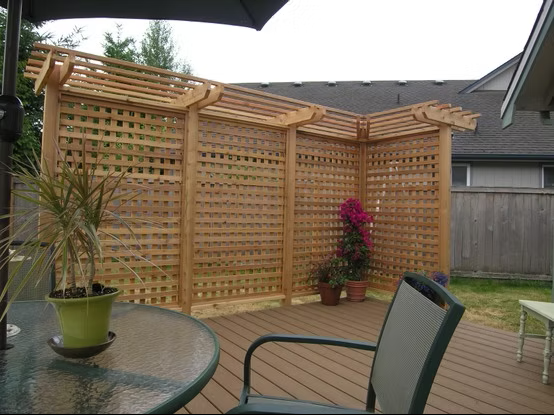
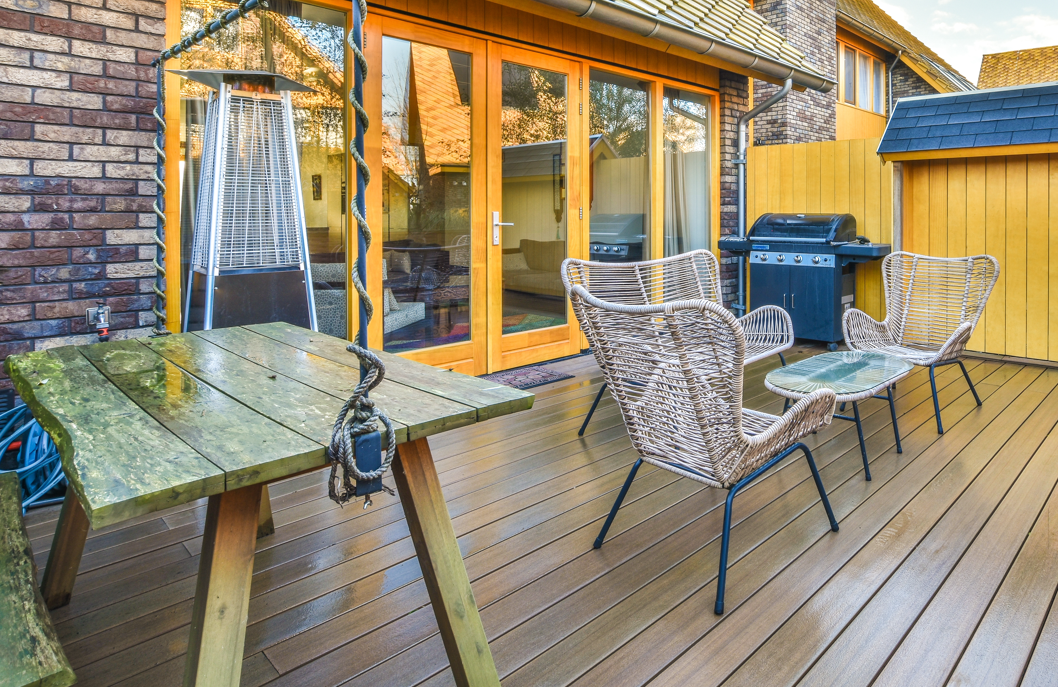
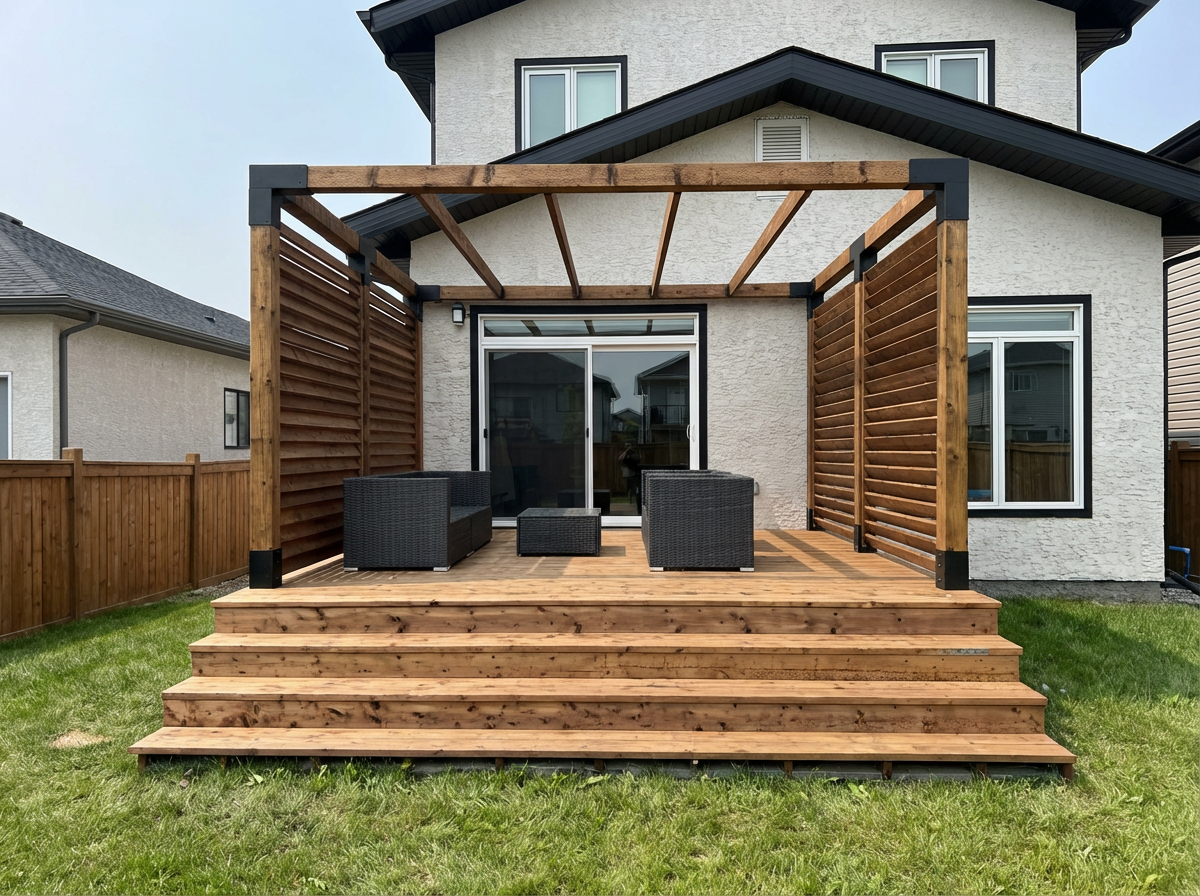
Building with Western Red Cedar brings incredible warmth and a classic architectural presence to a property. Cedar pergolas carry significant physical weight and demand heavily engineered support posts to stay level. When heavy snow piles on top of the rafters the dead load increases massively. We calculate the exact beam spans needed to support this extra winter weight without the roof sagging in the middle. We use specialized Simpson Strong-Tie hardware to lock the heavy timber joints together so the frame never twists under the pressure of winter moisture.
Thermal Expansion In Metal Systems
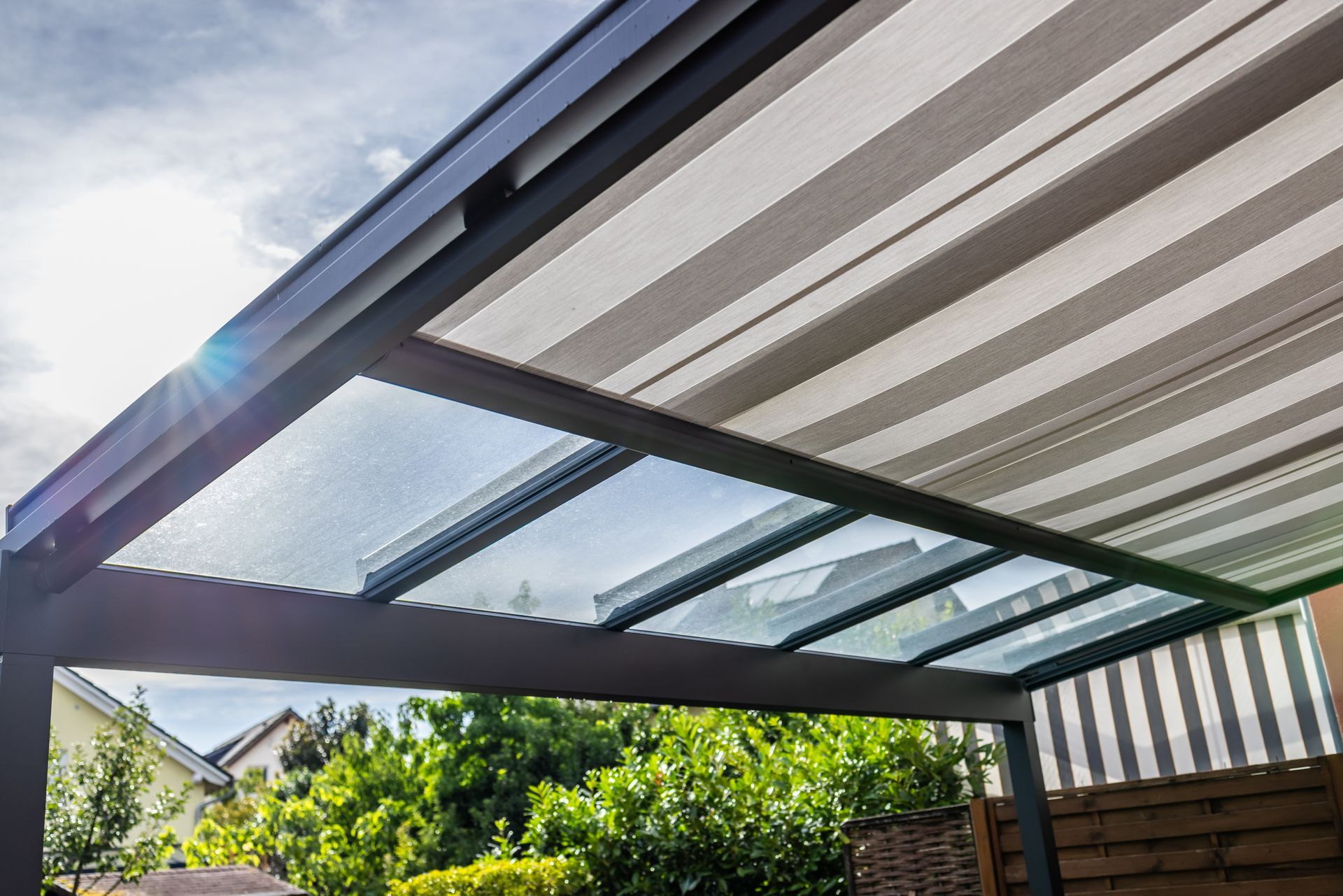
Homeowners planning a backyard build often ask how do cedar and aluminum pergolas handle heavy snow. Aluminum pergolas offer a massive advantage because the extruded metal does not absorb moisture or rot from freezing precipitation. Aluminum does experience slight thermal contraction in the cold but our premium hardware accounts for this movement. The rust resistant nature of the metal ensures the structure looks brand new year after year in Owasso and Sand Springs. The lightweight material reduces the total dead load on your existing concrete or deck foundation.
Managing Motorized Louvers In Winter
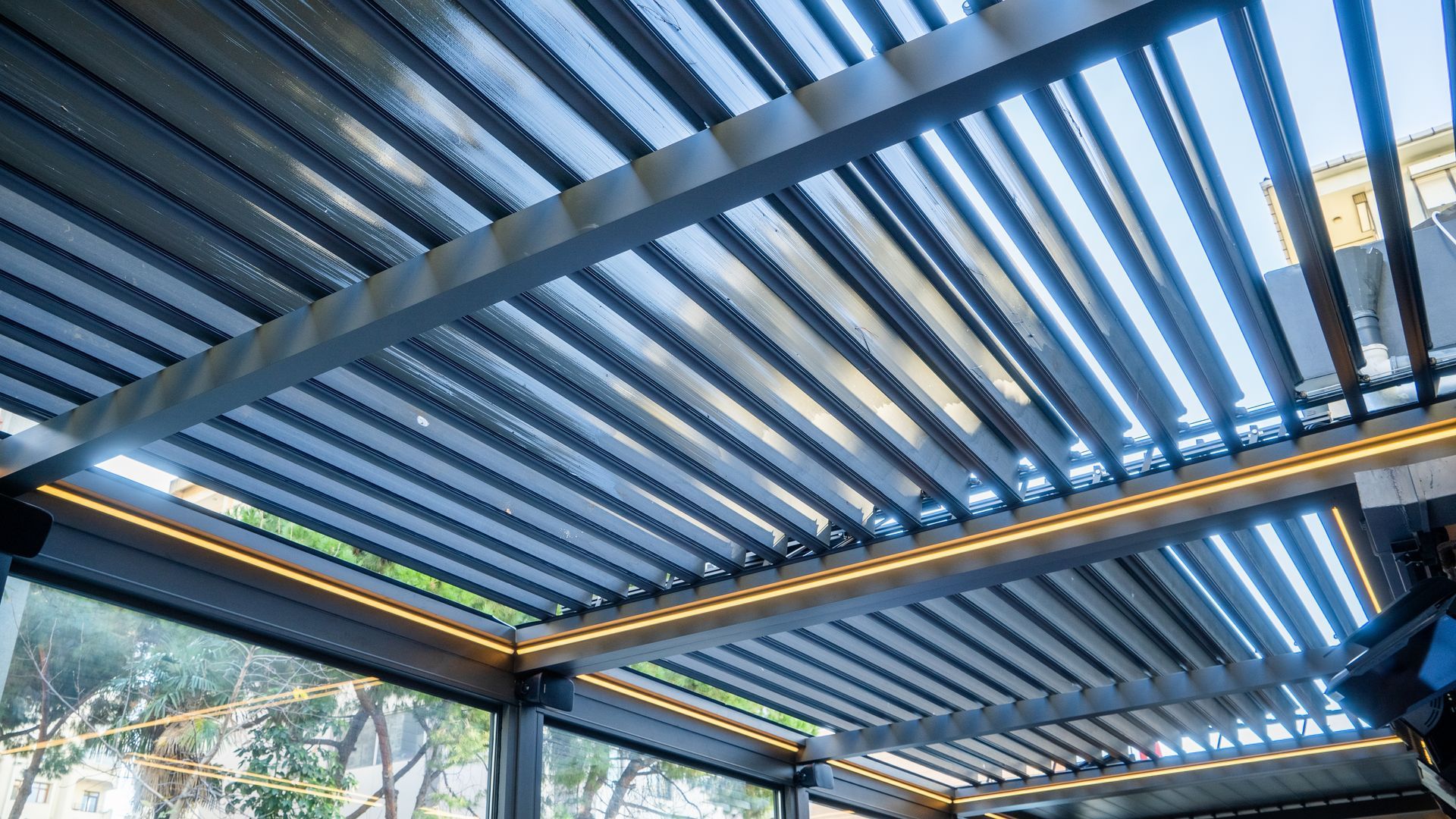
Motorized louvered pergolas provide automated climate control during the summer but require specific positioning during a deep freeze. We instruct clients to leave the aluminum louvers in the open vertical position before a snowstorm. This allows the snow to fall right through the roof rather than accumulating and crushing the mechanical components. Protecting these automated systems ensures your overhead structure operates perfectly when spring arrives.
Delivering a finished product that looks beautiful and stands up to the elements requires dedicated attention to detail.
► Client Experience: "Paramount Patios did an incredible job on our backyard project. They showed up on time every time and cleaned up everything once they finished. I can recommend Paramount Patios without any reservations whatsoever."
Consistent craftsmanship ensures your overhead shelter performs exactly as intended for decades.
Frequently Asked Questions
Do cedar pergolas need to be sealed before winter?
Applying a high quality penetrating oil or stain protects the natural wood from absorbing winter moisture and prevents premature graying.
Will heavy winds damage an aluminum pergola?
We anchor the metal support columns deeply into concrete footings to ensure the structure easily handles extreme Oklahoma wind shears.
Finalizing Your Overhead Shelter Choice
Choosing between a heavy timber structure and a modern metal system comes down to your aesthetic goals and maintenance preferences. Both materials offer exceptional longevity when installed by a professional crew using high quality hardware. Contact our office today to review the structural requirements for your property.
Share This Blog